
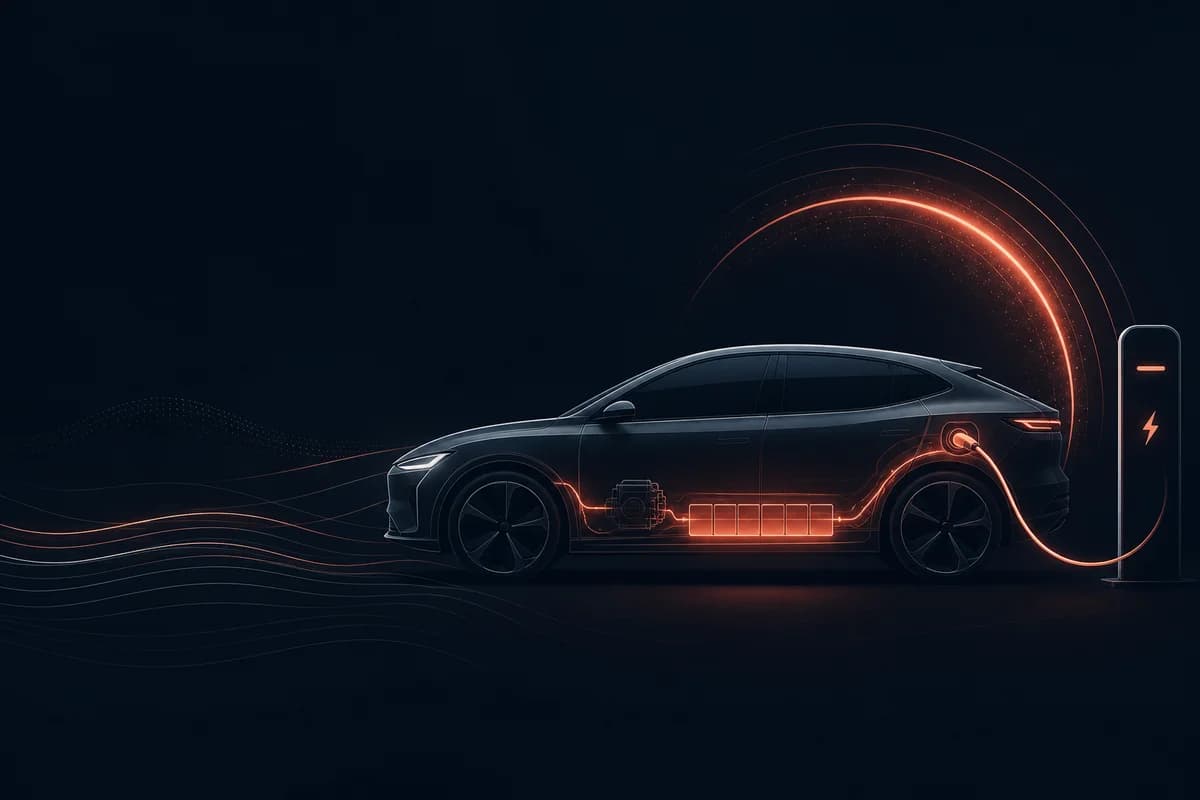
EV and hybrid lease deals
How electric car lease deals differ from gas-car leases—incentives, tax treatment, battery considerations, and how to compare EV and hybrid listings.
By LeaseGuru.aiUpdated 5 min read
Electric car lease deals and hybrid specials show up more often than cash deals on the same models. Manufacturer lease cash, state rebates, and subvented rates are usually applied by the lessor on a lease—lowering cap cost or payment in ways that do not always mirror gas-car math.
Battery range, charging access, and faster depreciation on some EV models add variables you do not face on a conventional lease. Comparing an EV listing to a gas crossover requires the same payment-and-drive-off discipline—plus incentive literacy.
This guide covers how EV and hybrid leases differ, what credits may pass through your contract, and how to compare electrified listings fairly on LeaseGuru.
TLDR Quick Guide
- The federal EV lease credit ended for vehicles acquired after September 30, 2025; any credit now is manufacturer or lender money shown as a lower cap cost or payment.
- State rebates vary; some apply only to purchase, others to lease—check your state rules.
- Range and charging matter for total cost of ownership, not just monthly payment.
- Residuals on EVs can be volatile—verify buyout math if you might purchase at lease end.
- Compare electrified deals with the same term, mileage, and drive-off as gas alternatives.
How EV lease incentives differ
The federal commercial clean-vehicle credit (Section 45W), which lessors used to claim on EV leases, is not available for vehicles acquired after September 30, 2025. EV and PHEV lease discounts now come from manufacturer and lender lease cash, shown as a cap cost reduction or a subvented payment. The shopper does not file for anything—what matters is whether the credit is itemized on the worksheet.
Manufacturer lease credits
When a manufacturer funds a lease credit, advertised specials may show unusually low payments. Confirm the credit is itemized on your signing sheet, not just in marketing copy.
Manufacturer loyalty and conquest
EV programs often stack loyalty, conquest, and lease cash. Broker sheets should itemize each rebate. Missing rebates are a negotiation point on cap cost.
State and local incentives
Some states offer rebates or tax benefits for EV leases; others target purchases only. Utility programs may subsidize home chargers separately from the vehicle contract. None of this replaces reading payment and drive-off on the lease itself.
Tax treatment
Lease tax rules still apply—some states tax monthly payment, others tax upfront on total payments. EV status does not exempt you from registration and doc fees. See our taxes guide for the framework.
Battery, range, and usage
Match the vehicle’s realistic range to your daily driving and charging options. A low payment on a short-range EV creates friction if you rely on public charging or road-trip frequently. Hybrids reduce range anxiety but still carry fuel and maintenance trade-offs.
Charging vs fuel savings
Home charging can beat gas costs in many markets, but public fast charging narrows the gap. LeaseGuru compares payment—not your full energy bill. Estimate charging separately when judging total cost versus a gas lease.
Mileage on EV leases
High-mileage drivers should confirm mileage tier and per-mile overage on electrified leases the same as any lease. Battery degradation concerns do not change contractual mileage limits.
Comparing EV listings on LeaseGuru
Filter by brand, payment, drive-off, and term—then open listings for trims you would actually drive. An EV with a lower payment but higher drive-off or shorter range may not beat a hybrid or gas deal for your use case.
Residual and buyout caution
EV resale values have moved quickly in recent years. If you might buy at lease end, compare purchase option to current used EV listings for the same model year and battery spec.
Hybrids vs full EV
Hybrids often lease on familiar captive programs with less incentive complexity. Full EVs may show deeper subvention but narrower inventory. Compare total cost across powertrains with the same structure.
See what is leasing well right now
Live listings ranked by LeaseGuru deal score, with payment, due at signing, and term on each card.
- View deal details
 DemoScore100
2021 Porsche Taycan CPO Turbo S
- Monthly:
- $1,079/mo
- Due at signing:
- $5,499
- Term:
- 24 mo
California
- View deal details
 DemoScore96
2025 Audi A5 Premium
- Monthly:
- $239/mo
- Due at signing:
- $3,999
- Term:
- 24 mo
California
- View deal details
 DemoScore94
2026 Mercedes-Benz GLE SUV 4Matic 350
- Monthly:
- $379/mo
- Due at signing:
- $3,499
- Term:
- 24 mo
South
Key Takeaways
- The federal lease credit has ended; verify any manufacturer credit as a line on your sheet.
- State and utility incentives are additive but vary—do not assume they apply.
- Range and charging access affect real-world cost beyond monthly payment.
- EV residuals can make buyout attractive or expensive—check market before lease end.
- Compare electrified listings with the same term, miles, and drive-off as alternatives.
Ready to see real lease offers?
Share your ZIP and we'll match you with current deals. Free, no obligation.
FAQs
No. The lessor, not the shopper, claimed the federal credit on leases, and that credit is not available for vehicles acquired after September 30, 2025. Any EV lease credit on a current worksheet is manufacturer or lender money shown as a lower cap cost—confirm it on your contract.
Sometimes, when incentives stack. Not always—compare payment, drive-off, and total cost for the specific trim. A subsidized EV can beat a gas model; an unsubsidized one may not.
Live electric and plug-in hybrid lease listings are on the LeaseGuru electric deals page, which updates through the day. Compare payment and drive-off on the same term and mileage, and confirm any manufacturer lease credit is itemized on the worksheet.
Factory battery warranties transfer with the vehicle. Excess degradation beyond wear guidelines is rare in lease return standards but check your lessor’s wear policy for high-mileage EV returns.
Charger install is separate from the lease contract. Factor install cost and landlord permission into ownership math if you rent your home.
Related guides
 5 min
5 minEV lease credits by brand after the federal credit ended
Which OEM lease pages still show an EV lease credit as a cap-cost reduction now that the federal credit has ended, and which ones stay silent.
 5 min
5 minTesla lease guide: mileage, fees, buyout, and lease end
How leasing a Tesla differs from a dealer lease: mileage, fees, what you can't negotiate, and your options at lease end.
 5 min
5 minCar leasing 101: how leasing works and what to expect
A plain-English overview of auto leasing: structure, trade-offs versus buying, and what to expect when your term ends.
Ready to compare?
Compare live listings by payment, drive-off, and term, then request help on a deal when you are ready.