
Lease vs. buy: which is right for you?
A practical framework for choosing between leasing and financing based on how you drive, how long you keep cars, and what you want to optimize for.
By LeaseGuru.aiUpdated 4 min read
Leasing and buying answer different questions. Leasing optimizes for lower monthly cost and a newer car on a fixed schedule; buying optimizes for long-term ownership and building equity.
Neither choice is universally better. The right answer depends on annual mileage, how many years you keep the vehicle, and whether you value payment flexibility or eventual ownership.
This guide gives you a decision framework and points to tools that help you compare total cost—not just the monthly number in an ad.
TLDR Quick Guide
Quick guide to lease vs. buy:
- Leasing = pay for use over a set term; buying = pay toward ownership.
- Leasing often wins on monthly payment for the same vehicle short term.
- Buying usually wins if you keep cars 7+ years or drive very high miles.
- Compare total out-of-pocket over your expected hold period, not payment alone.
- Run numbers with the same vehicle, term, and mileage assumptions when possible.
How leasing and buying differ
A lease covers depreciation and finance charges for a fixed term—typically with a mileage cap and wear guidelines. A loan pays down the full vehicle price (plus interest) until you own it outright.
Ownership and equity
When you buy, equity builds as you pay principal. When you lease, payments do not build ownership unless you exercise a buyout at lease end. That trade-off is the core of the lease-vs-buy decision.
Monthly cost math
Because a lease finances only part of the vehicle’s value, monthly payments are often lower than loan payments on the same MSRP. Total cost depends on how many times you repeat that cycle versus keeping one paid-off car.
When leasing makes sense
Leasing fits drivers who want predictable payments, a newer vehicle every few years, and mileage within program limits.
Short hold periods
- You prefer a new car every 24–39 months.
- You want lower payments without a long loan commitment.
- You are comfortable returning the car and choosing again at lease end.
Business or tax considerations
Some business users deduct lease payments differently than loan interest—consult a tax professional for your situation. Consumer leases still follow the same mileage and wear rules regardless of tax treatment.
When buying makes sense
Buying wins when you drive more than lease programs comfortably allow, keep vehicles many years after payoff, or want freedom to modify the car.
High mileage drivers
Excess-mile charges at lease return can erase payment savings. If you routinely exceed 15k miles per year, buying or a high-mileage lease program may cost less overall.
Long ownership horizons
After a loan is paid off, years of payment-free driving often beat leasing two or three cars in the same span. Depreciation still happens—you just are not paying rent on it monthly.
Compare with real numbers
Pick a vehicle you are actually considering. Compare total lease cost (payments × months plus drive-off) against total loan cost over the same period, then extend the buy scenario for years you would keep the car after payoff.
See what is leasing well right now
Live listings ranked by LeaseGuru deal score, with payment, due at signing, and term on each card.
- View deal details
 DemoScore100
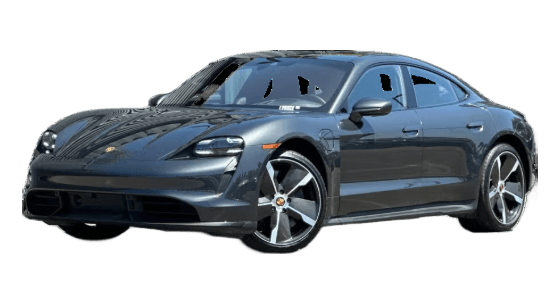
2021 Porsche Taycan CPO Turbo S
- Monthly:
- $1,079/mo
- Due at signing:
- $5,499
- Term:
- 24 mo
California
- View deal details
 DemoScore96
2025 Audi A5 Premium
- Monthly:
- $239/mo
- Due at signing:
- $3,999
- Term:
- 24 mo
California
- View deal details
 DemoScore94
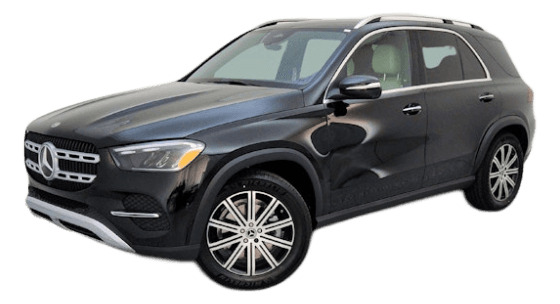
2026 Mercedes-Benz GLE SUV 4Matic 350
- Monthly:
- $379/mo
- Due at signing:
- $3,499
- Term:
- 24 mo
South
Key Takeaways
- Leasing optimizes short-term payment and freshness; buying optimizes long-term cost and equity.
- Match the choice to your annual miles and how long you keep each vehicle.
- Compare total cash outlay over your expected horizon—not monthly payment in isolation.
- If you lease repeatedly, add up multiple cycles to compare against one purchase.
- Use LeaseGuru to shortlist leases, then run buy-side quotes for the same vehicle when undecided.
Ready to see real lease offers?
Share your ZIP and we'll match you with current deals. Free, no obligation.
FAQs
Leasing usually wins on monthly payment and upfront cash, and suits drivers who want a new car every 2–3 years and stay under the mileage cap. Financing wins if you keep cars past 5 years, drive high mileage, or want to modify the car. Run both on total cost over the years you will actually keep it.
Often yes for the same vehicle and term, because you are financing less of the car’s value. Total cost over many years may still favor buying if you keep the car after a loan is paid off.
Many leases include a purchase option at lease end. Compare the buyout price to market value before deciding. Sometimes buying mid-lease is also allowed per your contract.
Early lease exit can be expensive. If your driving or location is uncertain, a shorter lease term or buying a reliable used car with a shorter loan may carry less risk.
LeaseGuru focuses on lease inventory and comparison tools. Use our total-cost calculator for lease math, then get finance quotes from the dealer or your bank for a parallel buy scenario.
Related guides
 5 min
5 minCar leasing 101: how leasing works and what to expect
A plain-English overview of auto leasing: structure, trade-offs versus buying, and what to expect when your term ends.
 5 min
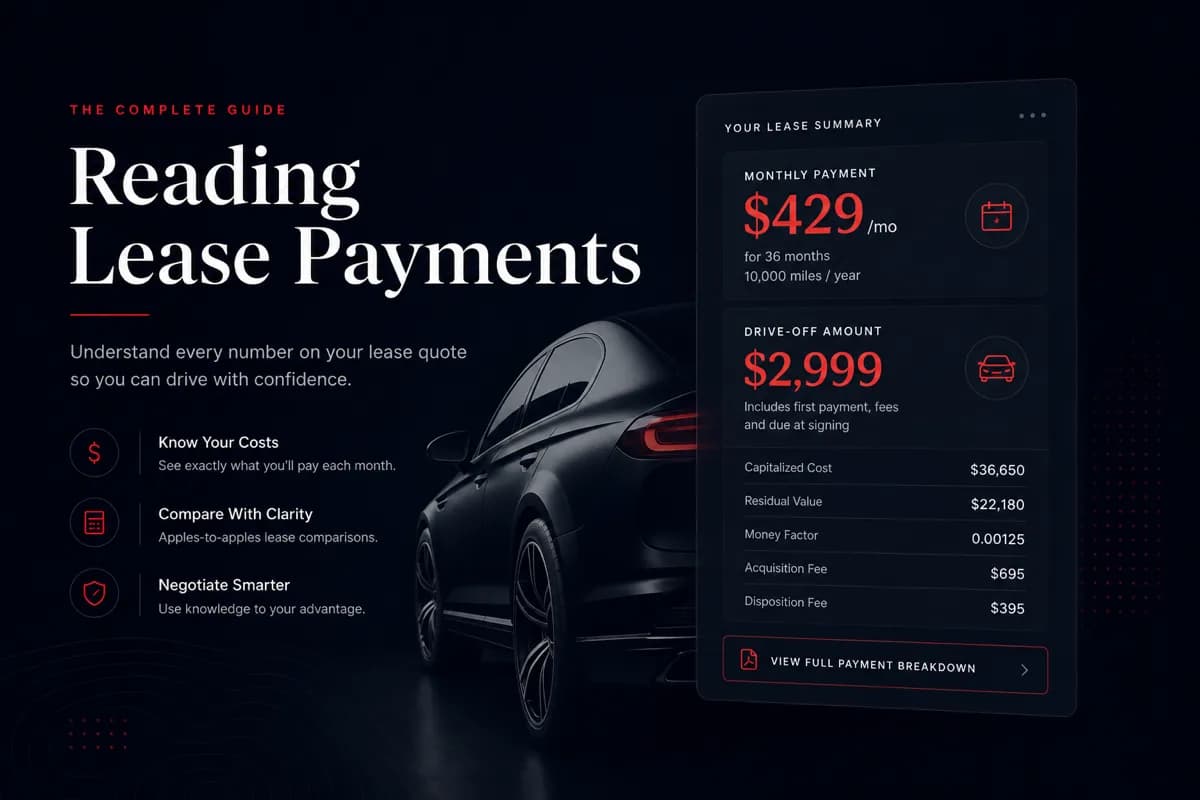
5 minWhat's due at signing on a car lease? Reading payments and drive-off
How to interpret payment, drive-off, term, and mileage when comparing lease listings online or from multiple brokers.
 4 min
4 minEnd of lease: return, buyout, and next steps
Your options when a lease term ends, how charges are assessed, and how to plan ahead so return day is smooth.
Ready to compare?
Compare live listings by payment, drive-off, and term, then request help on a deal when you are ready.